How do I keep my Foil Assist in top condition?Updated 4 months ago
Maintaining the Foil Assist Set
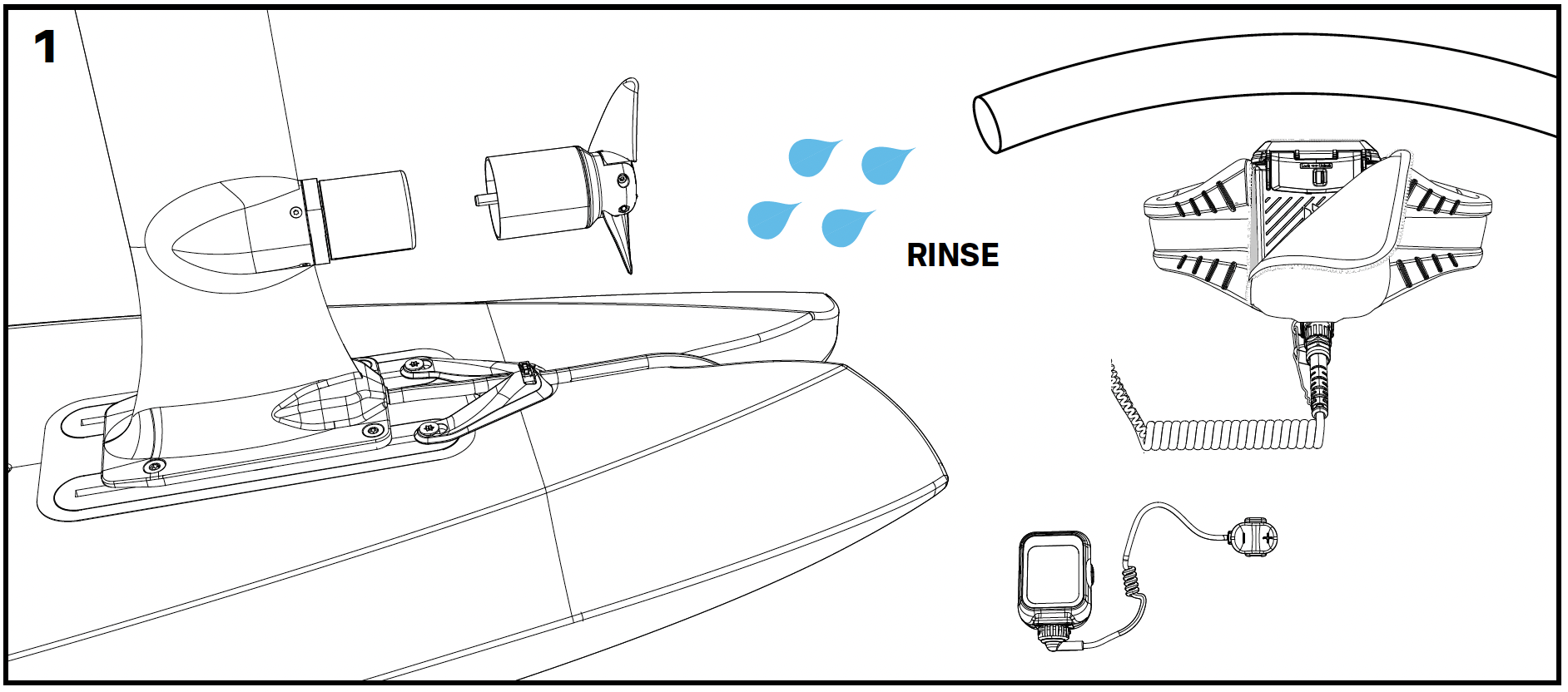
After each use, rinse the entire system with fresh water to ensure proper maintenance and longevity.
Rinse the harness and battery box with the latch closed and the cable attached. Remove the motor bell and rinse the inside of the bell and the motor bearings thoroughly. Rinse the watch remote and ring controller as well.
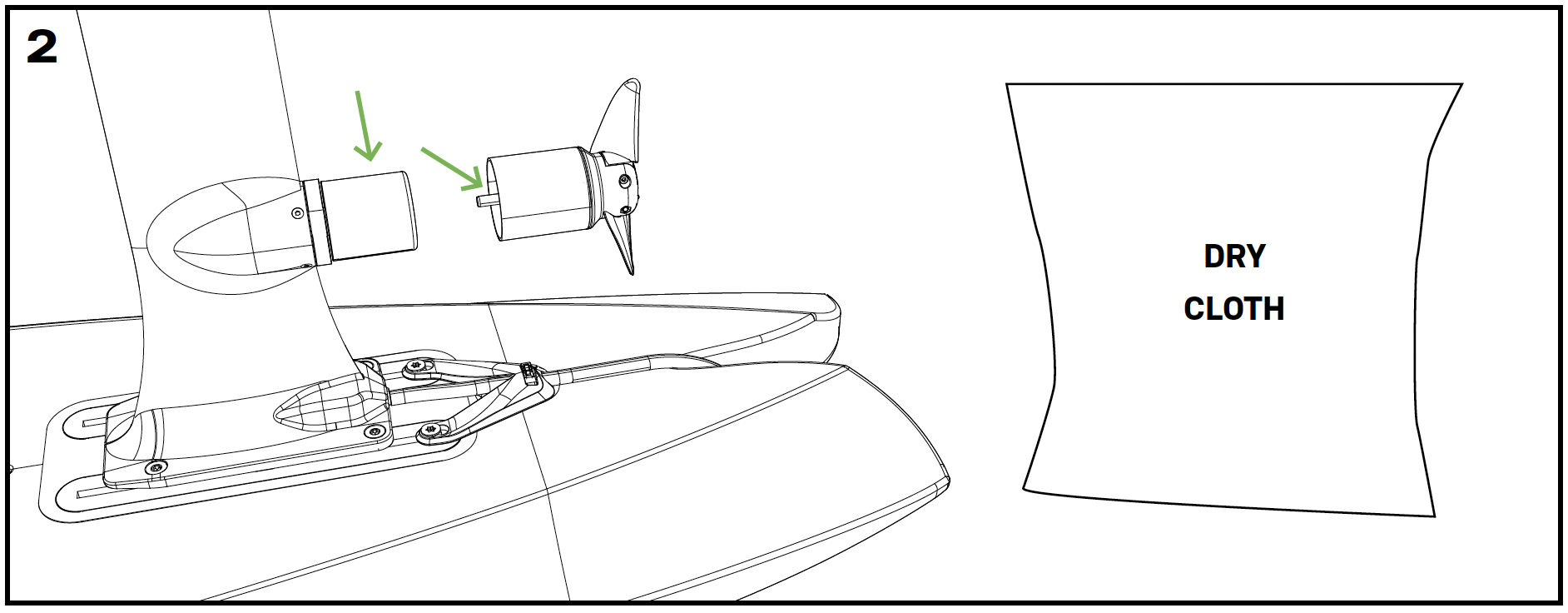
After your session, let your setup dry or at least wipe down the motor bell, motor, and protective caps for the eHarness and cable. Disconnect the cable from the eHarness and place the protective caps on the connectors.
If the connectors are wet or dirty, rinse them with fresh water, remove any remaining water with compressed air, and allow them to dry completely. Then apply a thin layer of dielectric grease.
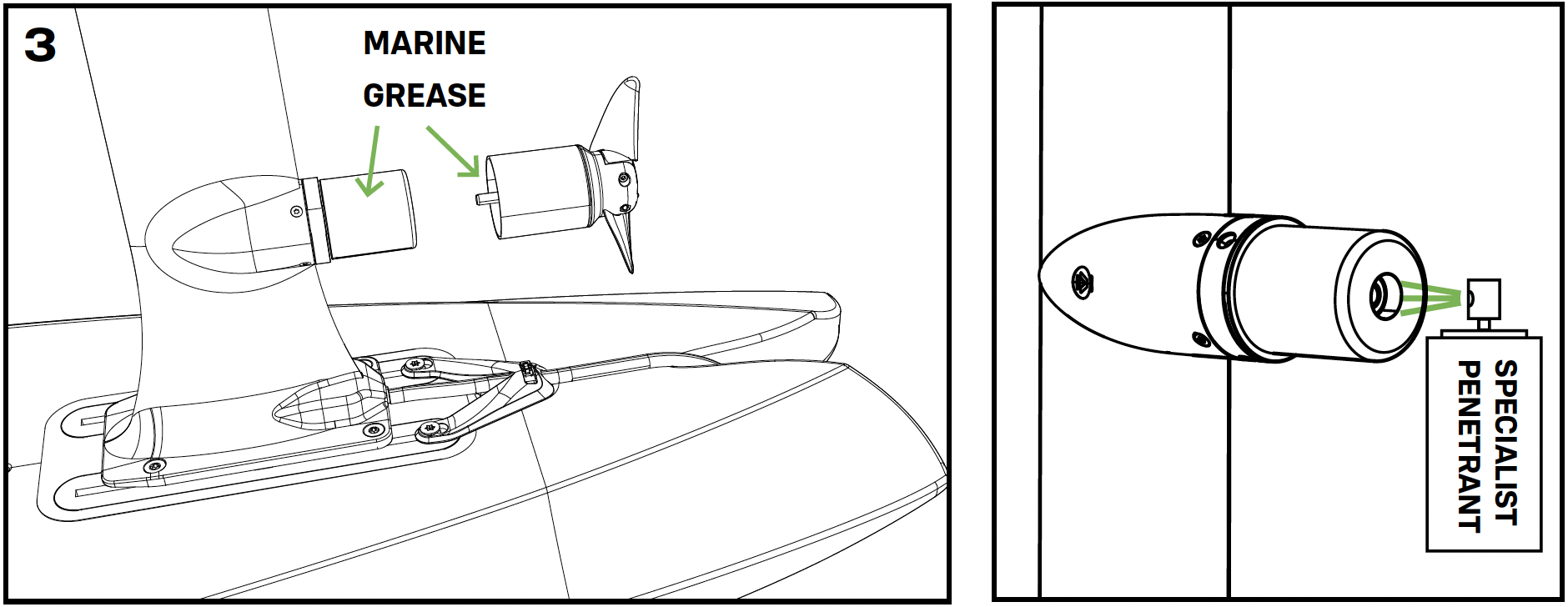
Once everything is dry, apply a thin layer of 2-4-C marine grease to the stator. Then place the motor bell onto the stator and rotate it to distribute the grease evenly. Spray the bearings with WD-40 Specialist Penetrant to prevent corrosion.
When applying any type of lubricant or grease onto your bearings, use sparingly, wipe off any excess, and allow it to sit overnight before entering the water to minimize potential contaminants.
If you do not use the Foil Assist mast for an extended period, rinse it regularly with fresh water to prevent salt deposits inside.
Storing the batteries
⚠ Never leave your batteries turned on in the battery box when not in use.
❗ When removing the batteries, never open the battery box when it is wet. Pay attention to any salt water that may drip from your wetsuit, remote control, or hair.
After every session, you must recharge the batteries to storage mode (2-3 LED lights). Never leave the batteries empty or fully charged overnight, as doing so will reduce the batteries‘ life.
⚠ Do not charge the batteries immediately after use. Charging a hot or cold battery can damage the cells. Wait 30 minutes to 1 hour to allow the battery to cool down or warm up to room temperature.
If the batteries are left idle for an extended period, make sure to run a full charge then storage mode cycle every 3 months to maintain optimal performance and longevity.
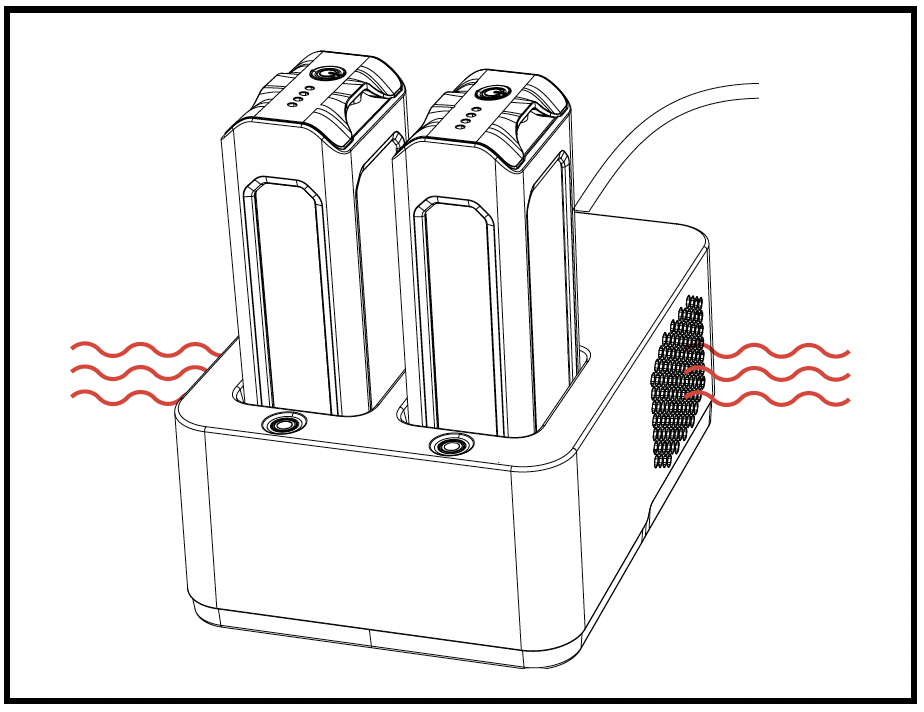
Always perform charging and discharging at home, under supervision, in a well-ventilated area. Always ensure that there are no obstructions next to the air vents on the sides of the charger. The air from the charger may be hot, make sure items are kept at a safe distance from the air vents. Never leave the system plugged in when not in use.
The best temperature for battery storage is between 10 °C and 25 °C (50 °F and 77 °F).